
Updated October 4, 2026
Kheda Satyagraha (1918): Peasants, Patel and Tax Relief
In 1918, drought and plague left Kheda's peasants unable to pay land revenue. Gandhi and Vallabhbhai Patel's no-tax satyagraha forced the British to relent — and made Patel a mass leader.
In 1918, the peasants of Kheda district in Gujarat faced ruin: a failed monsoon and a devastating plague epidemic had destroyed their harvests, yet British officials demanded full land revenue anyway. Mohandas K. Gandhi and Vallabhbhai Patel answered with a no-tax satyagraha — a campaign that forced the government to back down in June 1918, gave Patel his first taste of mass leadership, and created the template for every peasant movement that followed.
What caused the Kheda satyagraha?
The immediate cause was natural disaster. The monsoon of 1917–18 failed across Kheda district, and a plague epidemic swept through the region, killing over 17,000 people. Crops failed on a wide scale, and the peasantry — patidars and smallholders alike — faced starvation. Under the Bombay Revenue Code, the law was clear: if the season's yield fell below 25% of normal (measured in the traditional accounting as 4 annas in the rupee), the peasants were entitled to full remission of the land revenue. The peasants' petitions argued that yields had collapsed far below that threshold — yet the revenue officials assessed the crops above it and demanded payment in full. Requests for suspension were refused. The demand was not for charity but for the law to be applied as written.
Why did Gandhi and Patel take up the cause?
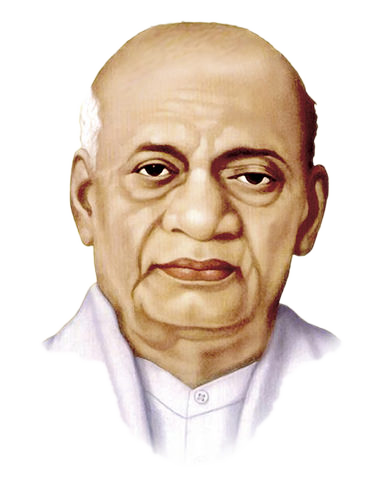
By early 1918, peasant delegations from Kheda were seeking Gandhi's help, fresh from his success in Champaran. Gandhi investigated the claims himself and concluded the peasants' case was just. For organisation he turned to Vallabhbhai Patel, then a successful Ahmedabad lawyer with no mass-politics experience. Patel threw himself into village touring — walking from village to village, explaining the revenue code, and persuading peasants to take a solemn pledge: they would not pay the revenue, and would accept the consequences, including confiscation of their land and property. That pledge, binding ordinary farmers to voluntary suffering, was the heart of the campaign. Patel's work in Kheda transformed him; the aloof city lawyer became a mass leader, the first step on the road that would later make him the "Sardar" of Bardoli.
How did the no-tax campaign work?
The campaign followed the classic satyagraha method: truthful, disciplined, and nonviolent. Villagers took the pledge not to pay. When the government began attaching and auctioning the property and standing crops of defaulters, the satyagrahis refused to bid at the auctions, so attached property often went unsold. Social pressure held the movement together — those who wavered faced boycott — while Gandhi and Patel toured constantly, keeping morale up and insisting on nonviolence. Unlike Champaran, this was not an inquiry into a single exploitative practice but a direct confrontation with the revenue machinery of the state: a refusal to pay the government's central demand. The discipline required of satyagrahis — no anger, no violence, willingness to suffer — was tested daily.
Who was the "Onion Thief"?
The campaign's most famous episode involved Mohanlal Pandya, a peasant activist who led a group of villagers to harvest onions from a field that the government had attached for non-payment of revenue. It was a deliberate, open act of defiance — taking back what had been seized. Gandhi, amused and admiring, nicknamed Pandya "Dungli Chor" — the "Onion Thief" — and the name stuck as a badge of honour. The incident captured the spirit of the movement: direct, good-humoured, and utterly fearless, it made headlines and became one of the most retold stories of the satyagraha.
How did the Kheda satyagraha end?
In June 1918, the government gave way. It issued secret instructions to its officers to collect revenue only from those peasants who could genuinely afford to pay — effectively conceding the remission the movement had demanded. Confiscated property was returned, and activists who had been arrested were released. The campaign was called off. The settlement was less sweeping on paper than the Champaran Agrarian Act, but in substance it was a clear victory: the no-tax pledge had been vindicated, and the revenue machinery had been forced to bend.
Why does Kheda matter?
Kheda's significance goes beyond the tax relief it won. First, it was the template: the village-by-village pledge, the touring leaders, the disciplined non-payment — this became the model for Bardoli in 1928 and for peasant mobilisation across the national movement. Second, it made Vallabhbhai Patel. The campaign was his political education and his introduction to the masses; the organiser of Kheda became the Sardar of Bardoli and, eventually, independent India's Deputy Prime Minister. Third, it proved that satyagraha could confront the state on its own fiscal ground — not just a planter or a mill owner, but the revenue system itself — and win. Kheda, together with Champaran and the Ahmedabad mill strike, completed Gandhi's apprenticeship in Indian conditions before the all-India campaigns of the 1920s.
For the broader story, see satyagraha in history and its South African origins, or return to the homepage. Primary and reference material is collected on the sources page, including the Gandhi Heritage Portal, Wikipedia's satyagraha article, and mkgandhi.org.